Net Zero may seem like a distant concept for many businesses, but in reality, it is already influencing business decisions at every level. Organizations should begin integrating Net Zero into their corporate strategies as pressure continues to grow from sustainability-conscious stakeholders, expectations from global partners, and emerging carbon reduction regulations. Without timely adaptation, businesses may face volatile energy costs, potential carbon tax exposure, declining competitiveness, stricter environmental requirements, and long-term reputational risks.
This article explores what Net Zero means for businesses, why it has become a critical business imperative for the future, and how organizations can adapt through intelligent clean energy solutions from Banpu NEXT that help businesses transform challenges into sustainable opportunities because taking the right first step is key to long-term success.

What is Net Zero for Business and Why Does It Matter?
Net Zero refers to reducing greenhouse gas emissions from business operations as much as possible, with priority given to real emissions reduction first. For emissions that cannot yet be eliminated, organizations can utilize carbon removal and offsetting mechanisms to achieve net zero greenhouse gas emissions across their operations. This approach enables organizations to systematically identify and manage carbon emission sources by categorizing them into three key scopes for effective emissions reduction planning:
- Scope 1: Direct Greenhouse Gas Emissions
These are emissions generated directly from activities within the organization, such as fuel combustion in manufacturing processes, machinery, boilers, furnaces, company vehicles including delivery trucks and fuel-powered forklifts, as well as refrigerant leaks from cooling and air-conditioning systems.
- Scope 2: Indirect Emissions from Purchased Energy
Emissions resulting from purchased electricity or energy, such as electricity or thermal energy. Although the organization does not generate the energy itself, its energy use still contributes to carbon emissions from energy production, such as electricity consumption in buildings or manufacturing facilities.
- Scope 3: Indirect Emissions Across the Value Chain
Emissions generated throughout every stage of the business life cycle, extending beyond the organization’s direct operations to include all related activities across the value chain. This includes raw material production by suppliers, transportation and logistics, customer product usage, and end-of-life waste management. Scope 3 represents the most comprehensive category of emissions within the business ecosystem.
For most organizations, Scope 2 is often the most immediate and practical starting point, as it can deliver visible results in a relatively short period of time. Transitioning to clean energy solutions, such as solar energy, or improving energy efficiency can significantly reduce carbon emissions while also lowering electricity costs
At the same time, businesses should also consider reducing Scope 1 emissions, which are directly linked to organizational activities such as fuel consumption in manufacturing processes and company vehicles. Addressing Scope 1 helps organizations achieve a more comprehensive carbon reduction strategy.
However, businesses can no longer stop at Scope 1 and Scope 2 alone. Today, many organizations are placing increasing importance on Scope 3 emissions and are beginning to require suppliers across their value chains to establish clear carbon reduction plans. Without a proper strategy to address these expectations, businesses may risk losing opportunities to work with large corporations and organizations committed to Net Zero and ESG goals. In some cases, companies may even be removed from supplier lists for failing to meet sustainability requirements.
Therefore, starting with Scope 2 to achieve short-term cost savings and quick wins, while simultaneously managing Scope 1 and gradually expanding efforts toward Scope 3, has become a critical approach for businesses. This not only supports long-term competitiveness in terms of cost efficiency and operational performance but also helps maintain strong relationships with partners across the value chain while driving sustainable progress toward Net Zero goals.
Is Net Zero a Cost or a Business Opportunity?
Net Zero may initially be perceived as a short-term investment. Without a clear roadmap, investments in technology and operational improvements may not deliver immediate returns. However, with a well-defined Net Zero strategy, businesses can turn sustainability efforts into a powerful driver of cost reduction, particularly in energy consumption, while also mitigating risks associated with increasingly stringent environmental regulations. Moreover, organizations with clear sustainability commitments can strengthen trust among business partners and the broader market, creating a competitive advantage and supporting stable long-term growth.
How Should Businesses Start Their Net Zero Journey?
Starting Net Zero does not have to be complicated. Businesses should begin by analyzing their energy consumption and carbon emissions to identify the main sources of emissions within the organization. The information can then be used to identify opportunities to reduce both carbon emissions and operational costs through solutions that best fit the business. By combining short-term actions with long-term sustainability planning, organizations can move toward Net Zero in a more practical and effective way.
To help businesses transition more efficiently, the process can be summarized into 4 key steps as follows:
1. Identify Carbon Emission Sources: Begin by analyzing business operations to identify the main sources of greenhouse gas emissions within the organization. This helps businesses create a more accurate and effective carbon reduction plan.
2. Explore Cost Reduction Opportunities: Use the insights gathered to identify solutions that can reduce both carbon emissions and operational costs, such as improving equipment efficiency to save energy or switching to clean energy solutions that lower long-term energy expenses.
3. Develop a Business-Aligned Investment Plan: Select solutions that align with the organization’s operations and budget, while setting both short-term goals for quick results and long-term goals for sustainable growth.
4. Track and Measure Progress: Establish a system to regularly monitor and measure performance to ensure the organization stays on track toward its Net Zero goals. Clear reporting also helps communicate progress to business partners and stakeholders effectively.
Reducing Carbon through Energy Management
Energy management is a key part of achieving Net Zero goals, as it directly impacts both operational costs and greenhouse gas emissions. Organizations should begin with a systematic assessment of energy consumption and carbon emissions to clearly understand where emissions are generated. Many businesses also work with Net Zero consultants to help analyze data and develop suitable strategies before implementing solutions across each emission scope.
Scope 1: Focus on reducing greenhouse gas emissions generated directly from business operations by improving energy efficiency in machinery and production processes, reducing fuel consumption, adopting low-carbon technologies, improving vehicle and internal system management, and using environmentally friendly refrigerants.
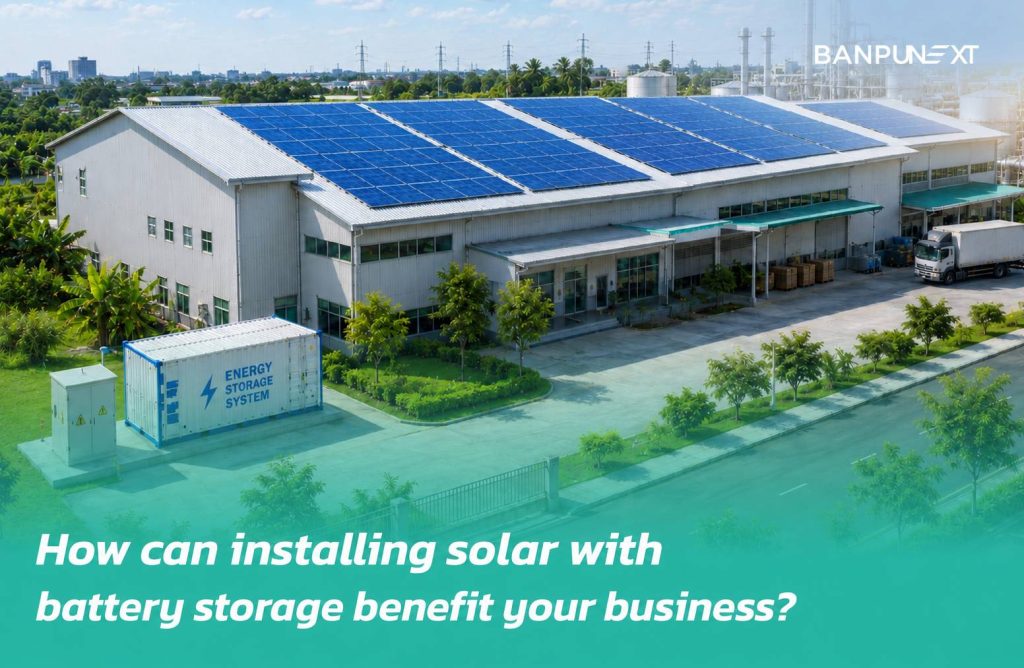
Scope 2: Reduce indirect emissions from purchased electricity and energy through energy-saving measures, improving electrical system efficiency, and transitioning to clean energy solutions such as solar energy systems to lower both carbon emissions and long-term energy costs.
Scope 3: Extend carbon reduction efforts across the value chain, including suppliers, transportation, customer usage, and waste management through collaboration with partners,
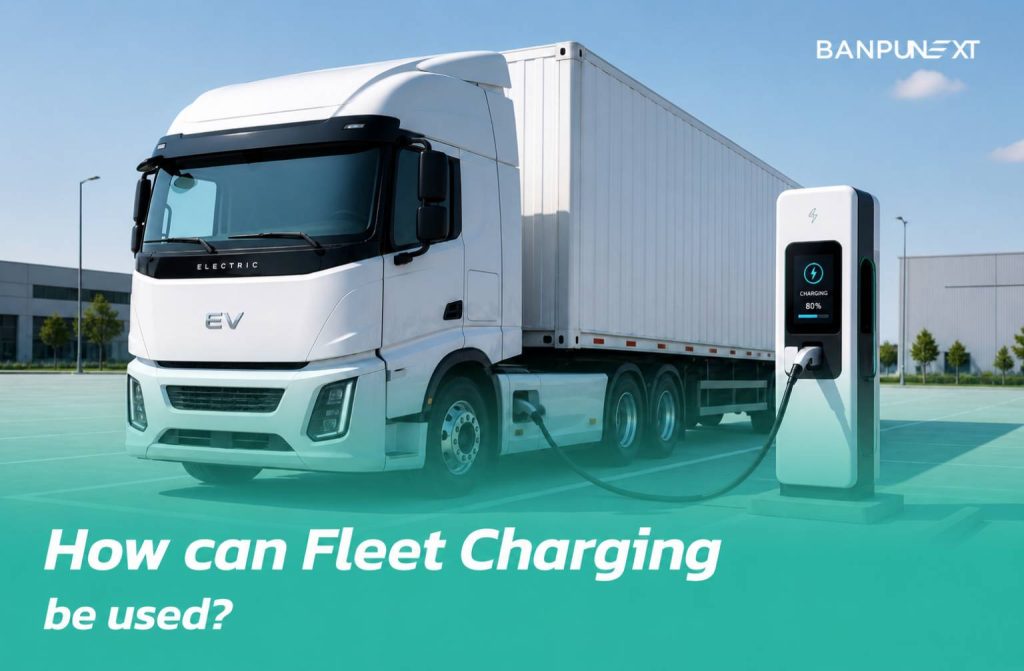
use of environmentally friendly materials, and jointly establishing sustainability standards — including reducing transportation emissions through EV adoption and supporting infrastructure such as EV charging stations to help reduce overall carbon emissions in the transportation system.
Developing and implementing these approaches systematically often requires strategic planning and data-driven insights. As a result, many organizations are turning to Net Zero consulting services to help analyze their operations, develop clear roadmaps, and drive practical implementation toward measurable results.
Banpu NEXT: Your End-to-End Net Zero Partner
Banpu NEXT provides comprehensive Net Zero Solutions— from consulting and carbon assessments to tailored energy solution implementation. By leveraging AI and intelligent energy management systems for data analysis, we help businesses optimize energy usage, reduce long-term operational costs, and create long-term business value. We also offer flexible investment models, including no upfront investment options, making it easier for businesses to transition toward Net Zero goals.
Conclusion
The journey to Net Zero requires a strategic and systematic approach. Starting with effective energy planning and management provides a strong foundation for businesses to achieve measurable results in both carbon reduction and operational cost savings.
Having the right partner who can integrate technology, data, and investment solutions helps organizations plan and implement their Net Zero strategies more effectively. This reduces transition barriers and supports practical progress toward long-term sustainability and Net Zero goals.
Contact us – Banpu NEXT
Frequently Asked Questions (FAQ)
Q: What is Net Zero, and how should businesses get started?
A: Businesses should start by understanding their organization’s energy consumption and greenhouse gas emissions, both direct and indirect, to gain a clear view of carbon emission sources and operational costs, and identify the most suitable approach forward.
Banpu NEXT consulting services and AI-powered platforms that help businesses systematically analyze data and develop accurate roadmaps for reducing carbon emissions and energy costs from day one.
Q: Is Net Zero a business cost or a business opportunity?
A: Net Zero may involve upfront costs, but in the long term, it is a worthwhile investment that helps reduce energy expenses. For example, solar energy systems can potentially reduce electricity costs by more than 60%, depending on energy consumption patterns and system design. It also helps reduce risks from environmental regulations such as carbon taxes, improve access to green financing, and strengthen business competitiveness.
Banpu NEXT can help businesses identify suitable carbon reduction and Net Zero approaches to create tangible business opportunities.
Q: Do businesses need to invest in Net Zero solutions on their own?
A: Not necessarily. Businesses can choose investment models that best fit their needs, including options with no upfront investment. Banpu NEXT can help design both technical and financial approaches tailored to each organization, enabling a smoother transition toward Net Zero without impacting cash flow.
Q: How does Banpu NEXT support businesses in achieving Net Zero?
A: Banpu NEXT provides end-to-end net zero solutions, from consulting and AI-powered data analysis to energy solution design and management, helping organizations plan and implement their Net Zero journey systematically.